Trusted For Premium Detailing & PPF Across London
 Call us: +447934 988 238
 Message us: info@mcautodetailing.co.uk

Why Professional Detailers Diagnose Paint Before Polishing It
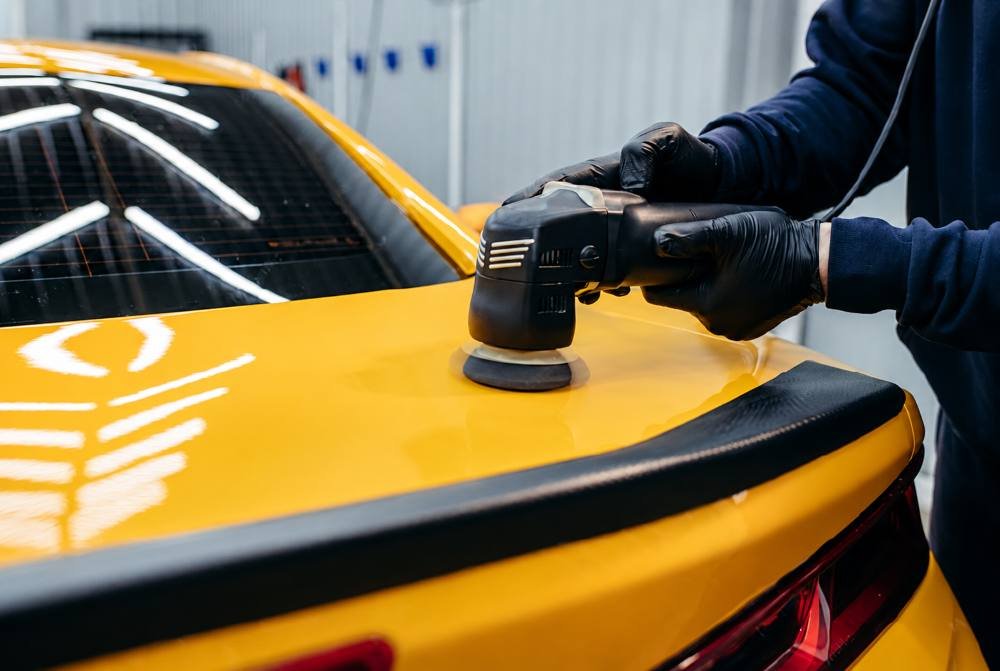
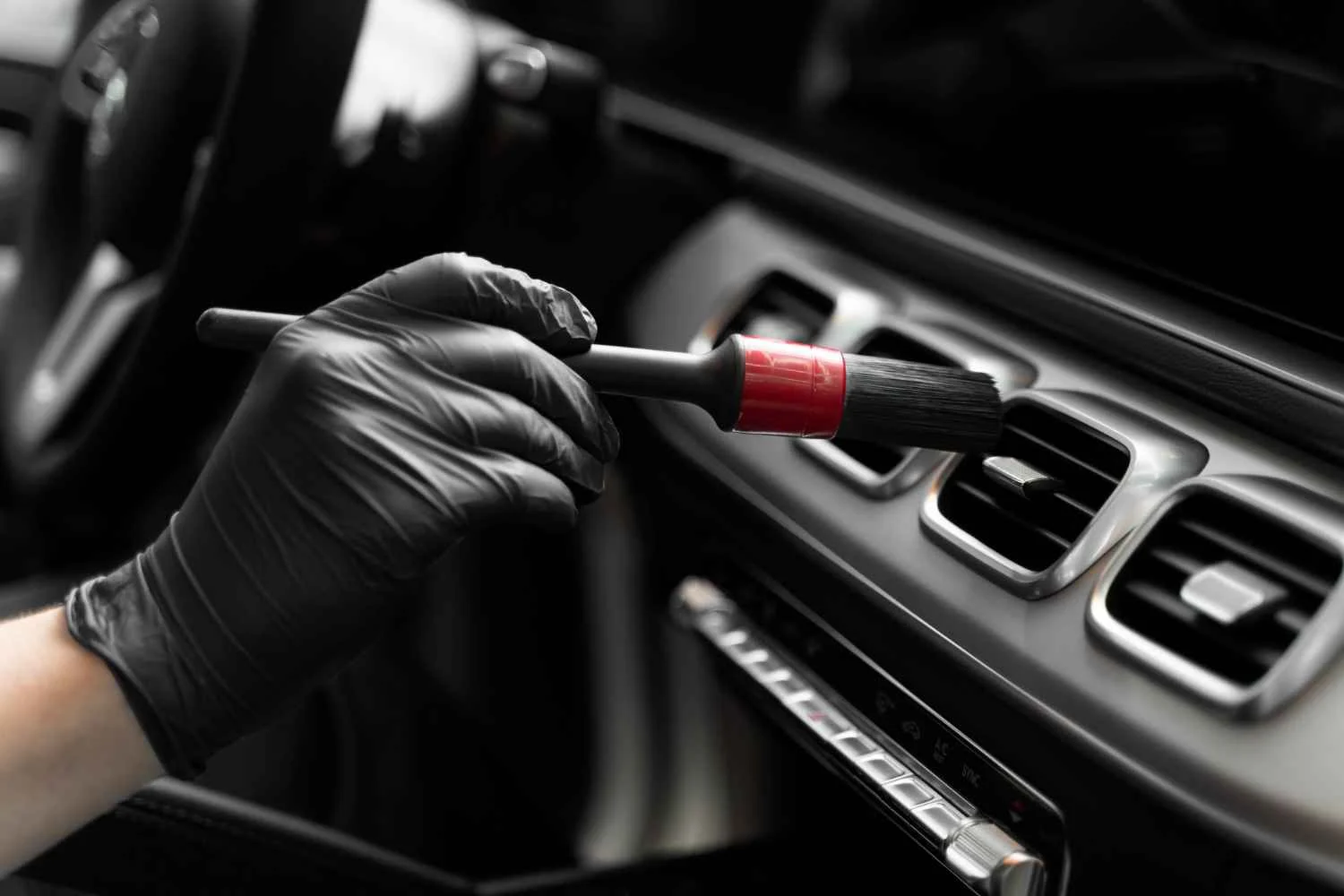
People usually consider polishing a straightforward solution to address scratched, dull, or even heavily swirled paint. The entire process seems pretty simple and predictable to many, as they think all that is needed here is to grab a machine polisher, choose the right compound, and keep working on the panel until it starts to look better. But professional paint correction is not that simple. A lot of things are involved before the technician starts the process of polishing. Many variables are involved in this process as well, including things like the condition and construction of the finish, the level of correction suitable in a particular case, the amount of material that can be easily removed, and much more. Thoroughly considering each of these factors becomes relevant before the work of a professional mobile car detailing in Watford starts. Let us dive a bit deeper into why the diagnosis of the paint matters so much before getting started with the polishing.
A Paint Correction Is Not About Removing Everything
The purpose of a suitable polish is not to eliminate every imperfection at any cost. Some vehicles, especially modern ones, have a relatively thin clearcoat that protects the coloured paint underneath it. Several surface defects lie within this layer, and removing a suitable but small amount of material can either make the issue less visible or even eliminate the problem.
Each correction process that is applied must balance appearance and the remaining paint thickness because the clearcoat is not an unlimited resource. If one ends up removing an unnecessary amount of material while chasing defects, the vehicle may look nice in the short term but will have less protective coating afterwards. With the help of a thorough diagnosis, such a problem can be prevented.
Diagnosis Lets Them Understand What Is Actually Wrong with the Paint
Each mark on the vehicle does not require the same treatment. Imperfect appearance may result from fine wash-induced swirls, deeper scratches, oxidation, water spotting, and also etching. But all these issues don’t respond similarly to the same combination of polish, pad, and machine speed.
A defect that sits right on the surface differs from one that extends deeper into the coating system. The professionals need to properly establish the type of problem that is present on the surface before they decide the extent of correction required in this job.
With the help of a professional assessment, one gets a clear answer to the most important question, i.e., what level of correction can be achieved safely?
Clearcoat Depth Determines the Margin for Correction
Measurement of paint depth may provide important information before starting the machine polishing. With the help of a paint-depth gauge, professionals are able to measure the overall thickness of the coating layers between the surface and the underlying substrate. Though it may not tell the exact thickness of the clearcoat because the reading may include primer, colour, and clearcoat. But the measurements taken from across a panel tell a lot about some useful differences.
In case one area is substantially thinner than the surrounding panels, it might indicate previous sanding, polishing, repair, or other work. Such areas may have less tolerance in case further correction is required. The focus here is not to chase certain numbers but to clearly understand the extent to which a technician can work.
Paint Hardness Changes the Way Correction Behaves
Different cars can have defects that look almost similar but may need a whole different polishing strategy. Part of this reason is paint hardness. Clearcoats in some vehicles are soft, and they can develop fine marring quite easily. Some other clearcoats can be hard, and they require substantial mechanical action in order to correct a similar defect.
The process of cutting and finishing is also affected by paint hardness. A combination that works effectively on one vehicle may remove very little from the other. Conversely, an aggressive combination that is appropriate for a hard clearcoat may create unnecessary haze or even micro-marring on a softer finish.
Experienced technicians take a closer look at all these aspects, and they assess the way paint responds rather than just assuming that a particular combination will work in all cases. Gathering all such information can easily guide the rest of the correction process.
Previous Repairs Can Change the Entire Strategy
There is an additional consideration associated with a vehicle that has been repainted or repaired. Factory paint usually has a relatively consistent construction across the panel, but a repaired area may contain a whole different set of materials or thicknesses. Previous bodywork may also involve sanding along with refinishing; that means the available clearcoat is not that uniform anymore.
Technicians inspect all these aspects rather than assuming that the vehicle has its original finish. Unusual areas are identified with the help of paint-depth readings, while the differences in texture, reflection, colour, and panel history may provide additional clues. An untouched section somewhere on the car may need a whole different approach as compared to a repaired panel.
When the history is ignored, and every part of the panel is treated as identical, it tends to make the job of paint correction unnecessarily risky.
The Safest Correction Is Often Not the Most Aggressive One
People may judge the quality of detailing by the percentage of defects removed, but maximum correction is not always the best correction. So, a sensible correction might leave some of the deeper marks behind, but it succeeds in dramatically improving the overall clarity of the panel. This way, the owners can significantly improve the look of the vehicle while retaining most of its original protective finish. And this is the key to effective mobile car detailing in Watford, i.e., correction should always be proportionate to the overall paint condition and the result desired by the owner.
A Good Paint Correction Begins Way Before the Machine Is Turned On
The most crucial stage of paint correction usually happens before the machine touches the vehicle. Once the technician assesses the clearcoat depth, understands the hardness of the paint, recognises the previous repairs, and tests how the finish will respond to varying combinations, they can very easily determine the type of paint this vehicle can tolerate and the level of improvement that is more realistic here.
Modern mobile car detailing brings the same approach but at a different location based on the demand of the owner. With MC Auto Detailing, you can book the service and continue with your daily life as the vehicle gets the care that it deserves.